
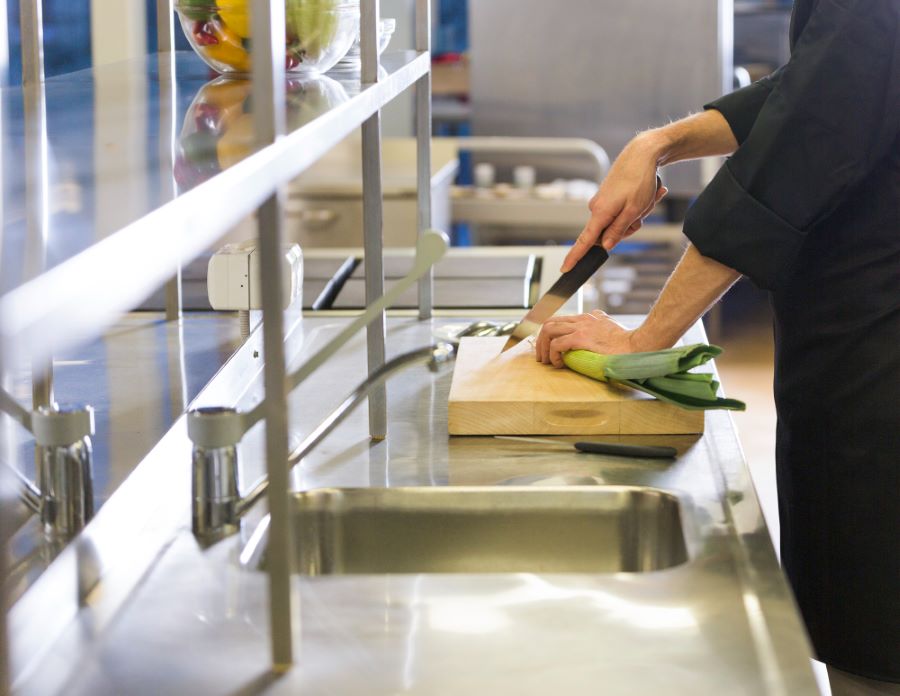
The kitchen is a place of unbroken activity. Whether it’s at home or in the supermarket, workplace design can have a significant impact on both productivity and employee health.
As businesses and homeowners strive to optimize their spaces for efficiency and comfort, ergonomic design has become important in modern kitchen layouts. This article looks at how ergonomic principles can be introduced into kitchen workspaces to reduce physical strain and prevent long-term injuries.
Understanding ergonomics in kitchen design
Let’s take a look at why ergonomic design is important in kitchens. Ergonomics is the science of designing the workplace to take account of a worker’s abilities and limitations.
Poorly designed kitchen workstations can lead to strain injuries or musculoskeletal disorders. Which are among the most common workplace injuries in kitchens. Applying ergonomic principles in the kitchen is not for aesthetic purposes, but to ensure a user-friendly space that promotes health, safety, and well-being.

Key principles of ergonomic kitchen layout
Consider how to optimize the layout to reduce the employee’s workload. The layout of the kitchen has a significant impact on how physically demanding the work will be.
Important ergonomic principles to consider are:
- Counter height: the height of the kitchen counter vary according to the average height of the users and the type of tasks to be performed. Adjustable counters can be particularly useful in rooms where several people work.
- Equipment placement: Place frequently used equipment and utensils within easy reach to reduce unnecessary stretching or bending. This includes placing frequently used items such as food processors and spices in inaccessible locations.
- Space: Provide enough space to allow free movement without overcrowding, which helps reduce the risk of accidents and physical strain.

Ergonomic equipment and supplies in the kitchen
Nowadays, there are various devices available to change the situation, to provide less strain and a greater degree of safety. Integrating ergonomic tools in the kitchen can significantly reduce the effort required to carry out everyday tasks.
For example, a high-quality watermelon cutter can make the preparation of large fruits safer and more efficient, which is very important in a commercial environment. Ergonomic design is also evident in modern food processors that demand less manual effort and incorporate enhanced safety features.
For more information on the safety benefits of ergonomic fruit slicers, take a look at this detailed review of the watermelon cutter.
Other ergonomic kitchen tools:
- Anti-fatigue mats: These mats, placed near workstations where workers stand for long periods, reduce strain on the feet and back.
- Knives with adapted handles: These are designed for easier gripping, and reducing hand strain during prolonged use.
Supermarkets with ergonomic redesigns
An ergonomic working environment has a major impact on staff wellbeing and efficiency. Several leading supermarkets have adopted ergonomic principles in redesigning their workplaces to improve employee well-being and operational efficiency.
These improvements often include adjustable shelving and checkout counters, ergonomic floor mats, and strategically placed kitchen equipment. The results are noteworthy, with evidence of reduced staff turnover, fewer injuries, and higher staff satisfaction.
What’s trending in ergonomic designs?
The latest trends in logistic kitchen design are often linked to smart technology. For example, kitchen environments equipped with sensors that adjust lighting and temperature according to the time of day and activity level are becoming increasingly popular.
Also a growing interest in modular kitchen elements can be adapted to different physical needs and cooking styles. This shows that logistics is constantly evolving to meet today’s demands.
Embrace ergonomics for healthier workspaces
Integrating ergonomic design into kitchen workstations is an investment in health and productivity. Maybe you are modernizing a home kitchen? Or maybe redesigning a workplace in a supermarket?
Ergonomic improvements are a cost-effective way to improve employee wellbeing and efficiency. Let’s embrace these principles, create a more enjoyable cooking experience, and ensure our kitchens are beautiful and comfortable places to work.